
Protecting your vehicle’s paint while keeping it glossy and smooth is a priority for many car owners. Many people turn to advanced protective coatings to safeguard their investment, but there’s a common misconception that these coatings are maintenance-free. While they provide excellent protection against environmental damage, dirt, and UV rays, they still require regular attention to remain effective.
Understanding the proper care for your car’s finish is key to maximizing the lifespan of Cleveland, OH, ceramic coating and maintaining a showroom-quality look. In this guide, we’ll explore maintenance realities most drivers overlook and provide practical tips for keeping a vehicle looking its best year-round.
Key Takeaways
- Regular cleaning remains necessary; coatings make washing easier, but don’t eliminate the task.
- Protective layers degrade over time and require periodic maintenance or refreshes.
- Annual inspections help identify damage early and ensure continued protection.
- Waxing is not required, but specialized maintenance sprays can improve water repellency and shine.
- Environmental factors, including moisture, salt, and sunlight, can affect performance if ignored.
These points provide a framework for maintaining a vehicle’s exterior while minimizing long-term costs and preserving aesthetic appeal.
What is a Ceramic Coating?
A liquid polymer coating is applied to a car’s exterior to form a durable protective layer over the paint. This layer shields the surface from contaminants such as dirt, bird droppings, and road salts while offering UV protection to prevent fading. The glossy finish enhances the vehicle’s appearance and makes water and grime bead and slide off more easily.
Although these coatings are highly effective, they are not a one-time solution. Regular care, including washing, inspections, and occasional touch-ups, is necessary to maintain their full protective potential.
Regular Cleaning is Still Necessary
One of the most common misunderstandings about ceramic coating in Cleveland, OH, is that applying a protective layer eliminates the need for washing. In reality, while the coating’s hydrophobic properties help water bead and rinse off easily, dirt and road debris will still accumulate over time. Neglecting regular cleaning can allow contaminants to embed in the paint, reducing the coating’s effectiveness and dulling its shine.
Maintenance Tips:
- Wash the vehicle every 1–2 weeks using a pH-balanced car shampoo to avoid damaging the surface.
- Avoid household soaps or detergents, which can strip away protective polymers.
- Use a soft microfiber towel or drying cloth to prevent swirl marks and scratches.
- Consider a two-bucket method, one for rinse water and one for soap, to minimize the risk of grit being trapped against the paint.
By maintaining a regular cleaning schedule, you preserve the coating’s shine and longevity.
Protective Layers Can Wear Over Time
Despite their durability, coatings do not last indefinitely. Constant exposure to environmental stressors, such as road salt, acidic rain, bird droppings, and ultraviolet rays, gradually diminishes their hydrophobic qualities. Over time, water may no longer bead as effectively, and the surface can appear less glossy.
Maintenance Tips:
- Perform a water bead test: if water stops forming beads, it’s a sign that the protective layer needs refreshing.
- Schedule periodic inspections or professional maintenance to identify areas that may have worn unevenly.
- Consider a top-up application or booster spray to extend performance between full reapplications.
Understanding that coatings are a long-term investment rather than a permanent shield helps owners set realistic expectations.
Annual Inspections Are Key
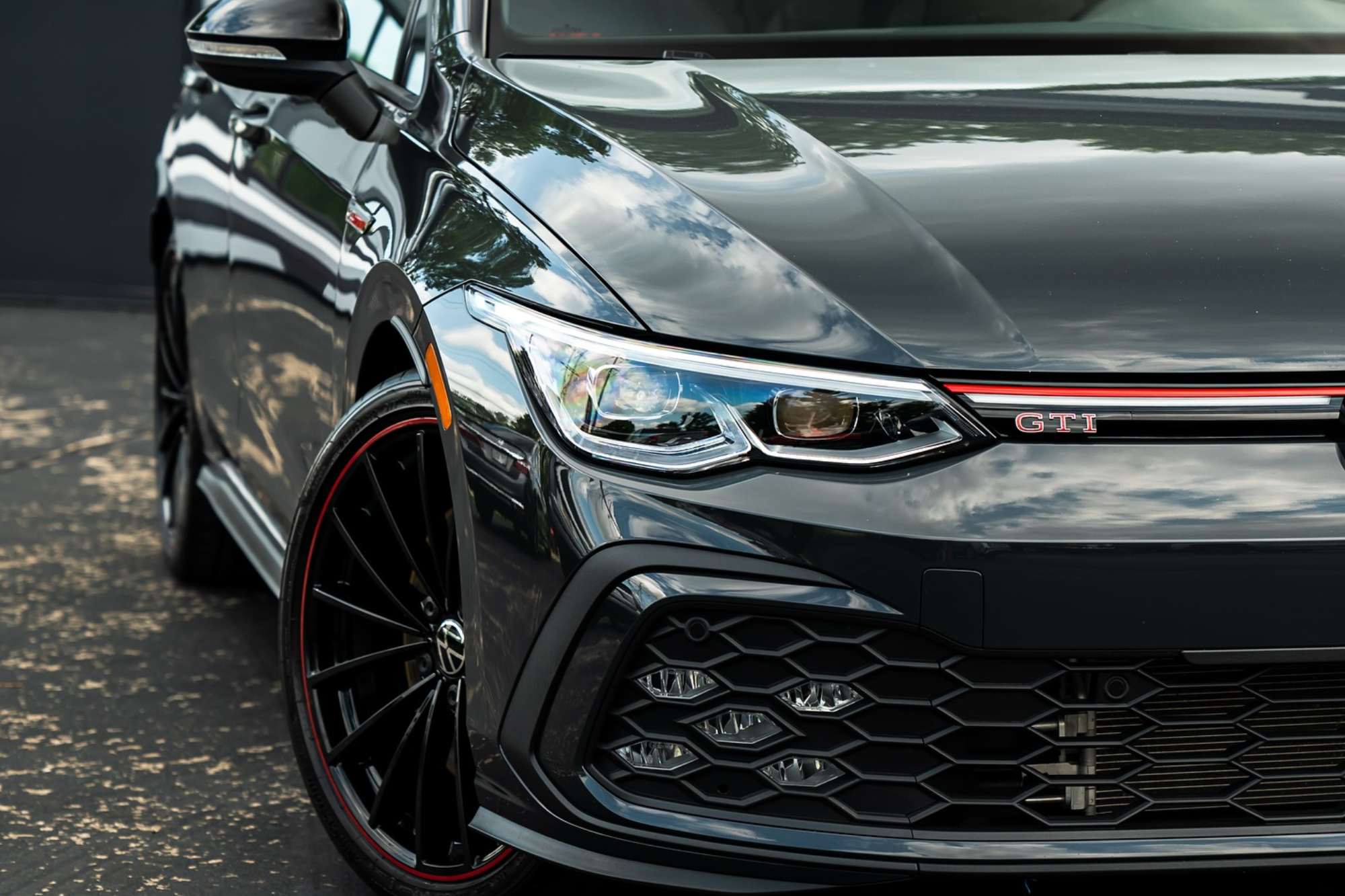
Even the most robust protective layers can develop imperfections, especially when exposed to seasonal weather changes. Small scratches, contamination, or localized damage can compromise protection and, if left unchecked, lead to staining or oxidation. Annual inspections help catch these issues early, keeping the vehicle in peak condition.
Maintenance Tips:
- Have a certified professional evaluate the surface yearly to detect minor issues before they escalate.
- Look for contaminants such as tree sap, tar, or bird droppings, which can etch the surface if left unremoved.
- A careful visual inspection under natural light often reveals minor scratches or imperfections that may not be visible indoors.
These evaluations are critical to ensuring the coating continues performing as intended, particularly in regions with varying weather patterns.
Waxing is Unnecessary, But Maintenance Products Help
A common question from car owners is whether waxing is needed. In most cases, applying wax over a coating is redundant and can even interfere with its effectiveness. Instead, using specially formulated maintenance sprays or ceramic boosters can refresh water repellency and restore gloss without compromising protection.
Maintenance Tips:
- Use a spray specifically designed for protective coatings to extend the coating’s effectiveness.
- Apply booster products periodically, following the manufacturer’s recommendations, to maintain shine and water-beading properties.
- Avoid traditional waxes or polish compounds, which may leave residues or diminish coating performance.
These products provide an extra layer of assurance that your vehicle continues to look as good as the day it was coated.
Environmental Factors Affect Performance
Weather and environmental conditions directly affect coating longevity. Moisture, road salt, acidic rain, and prolonged sun exposure can gradually reduce effectiveness. Without proper care, contaminants may accumulate, leading to stains or reduced water repellency.
Maintenance Tips:
- Rinse the vehicle frequently, especially during winter, to remove road salts.
- Whenever possible, park in a garage or under shade to minimize ultraviolet degradation.
- Wipe off bird droppings, sap, and other acidic contaminants immediately to prevent etching.
- Consider seasonal maintenance sprays to compensate for harsher weather effects.
Adapting maintenance practices to environmental conditions is one of the most effective ways to protect a vehicle over the long term.
How Professional Services Can Help
Certified technicians offer more than just application services; they provide ongoing care and maintenance guidance that ensures long-term protection. Professionals can identify worn areas, apply boosters, and handle difficult-to-remove contaminants without damaging the surface.
By investing in professional maintenance for Cleveland ceramic coating, vehicle owners can avoid costly repairs from oxidation, staining, or scratches while keeping their exterior in premium condition. Regular checkups ensure the coating continues to repel water, resist contaminants, and maintain its high-gloss finish.
In Summary
Mr. Detail – Ceramic Pro Cleveland combines expert application with ongoing care to maximize both appearance and durability. From thorough surface preparation and the application of high-performance protective layers to guidance on at-home maintenance and annual inspections, the team ensures long-lasting results. This comprehensive approach ensures your surfaces remain visually striking and well-protected over time. Contact us today to schedule your consultation and keep your vehicle looking its best.
Frequently Asked Questions
- How long does a protective coating last?
Most applications last 2–5 years, depending on product type and maintenance routine. - Is waxing necessary after application?
No, but maintenance sprays can boost performance and prolong the protective effect. - Can I apply the coating myself?
DIY kits exist, but professional application ensures proper bonding and preparation for maximum results. - Will the coating prevent scratches?
It protects against minor scratches but is not entirely scratch-proof. It reduces the likelihood of damage and makes imperfections less noticeable. - How do I maintain a protective layer?
Wash regularly with pH-balanced shampoos and use specialized booster sprays to maintain shine and hydrophobic properties.